SHOW DIRECTORY
All-In
Industry veterans Chamath Palihapitiya, Jason Calacanis, David Sacks, and David Friedberg cover economics, technology, politics, society, and poker.
SOURCE DESCRIPTION · RSS

AI Cyber Panic, Ken Griffin’s Bubble Warning, The Fall of France?
Chamath PalihapitiyaJason CalacanisDavid SacksDavid FriedbergNikesh Arora
Chamath estimates 90% of AI spending is concentrated in 1% of companies, with 80% from unprofitable VC-backed businesses, leaving genuine demand diffusion the key test.France’s 10-year yield has exceeded 5%; Chamath says bond pressure toward 8% could force a reset, while Jason sees no reasonable endgame.

CoreWeave Crash, AI Trade Cracks, Anthropic IPO Red Flags, Bill Gates Doomer
CoreWeave’s 953-basis-point CDS implies 16% annual default risk; fixed-price contracts and $35 billion more to raise leave Chamath’s team estimating a $5 billion break-even gap.Sacks sees demand holding, but financing costs remain a risk; Chamath urges Anthropic to raise at least $200 billion for compute, with SemiAnalysis estimating it and OpenAI will take 60% of next year’s global additions.
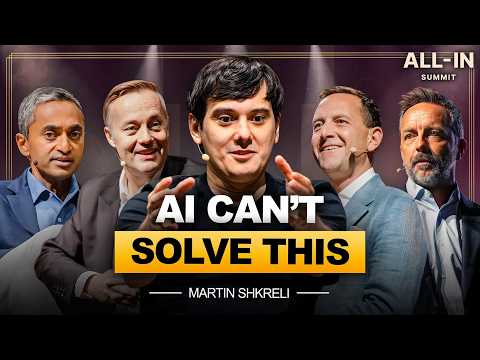
Martin Shkreli: Big Pharma's Blind Spot, Betting Against Quantum & What Prison Taught Him
Shkreli limits quantum’s edge to factoring and elliptic-curve logarithms; current machines lack quantum RAM.He calls industry spending speculative and expects analog optical computing to challenge Nvidia’s H100, B100, and B200 within 20 years.His pharmaceutical thesis favors mispriced discarded molecules; he calls AI drug discovery within five years “nonsense” and expects no AI-related drug in the next 10 years.

Luca Ferrari, Bending Spoons CEO: The $40K Start, Buying Product-Market Fit & Beating Private Equity
Bending Spoons converts acquired product-market fit into a repeatable model, using 50+ proprietary tools and an approximately 800-person shared talent base to replace technology foundations.Historically consistent unlevered returns above 25% and debt costing about 9%, fully hedged and maturing in 2031, support the model, while limited customer synergies, competition and replication risk remain watchpoints.
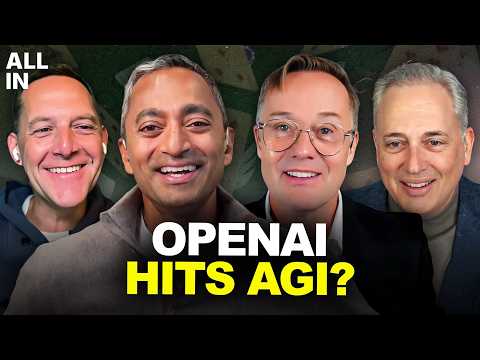
GPT-6 Hits AGI? Tech Euphoria 2.0, SF Mansion Shortage, NYC Bans AI in Schools & Venezuela Oil Deal
ChatGPT-6 (“Astra ASI”) is rolling out to limited organizations as the panel treats AGI as present, with rivals potentially catching up within “the next 3 or 4 months.”Falling intelligence costs may make non-frontier models commodities, while real revenue fuels 1998-style euphoria; Nvidia’s prospective Hugging Face transaction could bolster open competition through cheaper sovereign compute, with regulation a key risk.
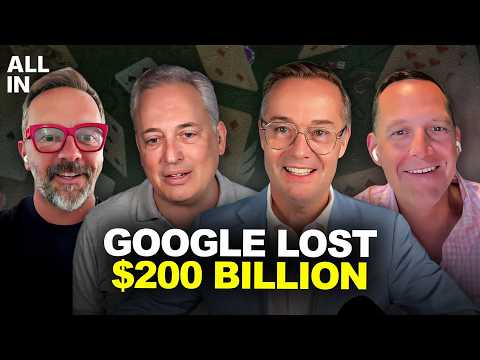
Google’s AI Brain Drain, SpaceX's Huge Quarter, Airtable’s 90% Collapse, US Data Fuels China AI
Jason CalacanisDavid SacksDavid FriedbergBrad Gerstner
Google’s infrastructure-first capital shift is coinciding with senior AI departures, while Sacks sees Anthropic and OpenAI forming a premium frontier duopoly as cheaper models pressure weights toward commodity pricing.SpaceX reported $7.8B revenue, up 92% YoY, and Starlink’s cash generation could fund expansion, but the proposed $300B-scale AI buildout leaves financing, spot pricing, and demand sensitivity as key risks.
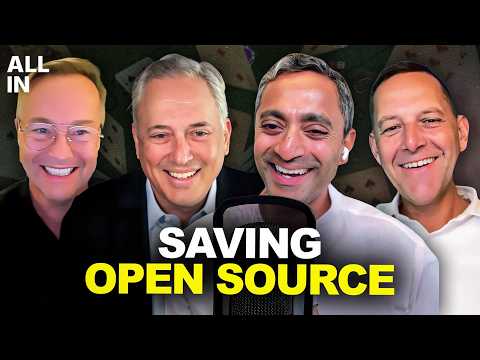
The Fight Over Open Source AI, Anthropic's $1.5B Payout, NYC Socialists: Evictions = Violence?
Chamath PalihapitiyaJason CalacanisDavid SacksDavid Friedberg
A US ban on Chinese open-source models could impose a 50-100x AI input cost premium on domestic developers while failing to stop distillation, creating a policy-driven “token tax.”With models reportedly matching published performance within weeks, 95% of real work may be served by many models, shifting durable value toward applications, clouds, and chips while Anthropic’s $1.5 billion settlement leaves training legality unresolved.
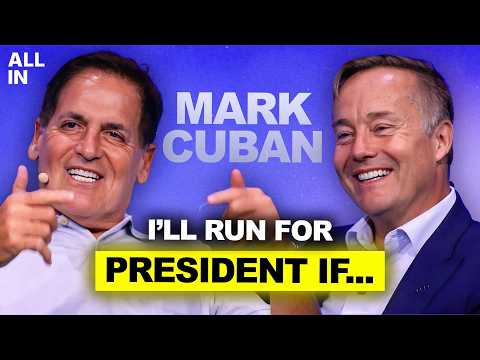
Mark Cuban on the AI Bubble: Who Actually Gets Wiped Out?
Mark CubanChamath PalihapitiyaJason CalacanisDavid SacksDavid Friedberg
The AI bubble’s likely casualties are VCs, funds, and PE firms concentrated in peak-priced private rounds, while infrastructure spending depends on whether token economics and video demand justify today’s buildout.Enterprise implementation remains the bottleneck as agents drift and require forward-deployed talent, but falling build costs are opening bespoke software and IPO-funded acquisition strategies for smaller AI companies.

Anthropic's Fable Backlash, Nationalizing AI, Inflation Heats Up & California’s Broken Elections
Chamath PalihapitiyaJason CalacanisDavid SacksDavid Friedberg
Anthropic’s Fable 5 pairs benchmark leadership with 30-day retention, profiling, and user-specific downgrades, making access an enterprise-governance risk.Restrictions are pushing Ohalo toward local open models, while power costs rose from roughly $4 billion–$5 billion per gigawatt to $100 billion.May CPI at 4.2% and PPI at 6.5%, plus Iran-driven energy risk and disputed Los Angeles ballot patterns, leave macro and institutional trust unresolved.
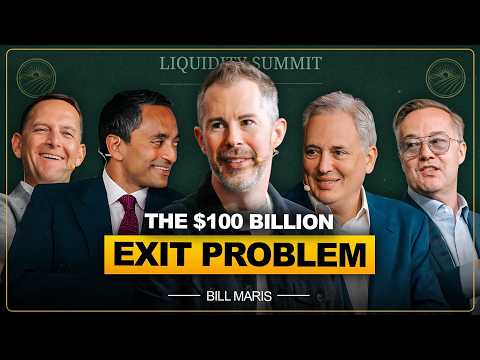
Bill Maris: How Google Could Crush AI Competitors, Why Small Funds Win, and AI's Atari Stage
Bill Maris argues that venture funds below $750 million structurally outperform megafunds, citing 4.76x versus 2.42x top-decile DPI and the exit-value hurdle facing a $7 billion fund.Google’s war chest could compress OpenAI and Anthropic if Gemini offers comparable products at 80% lower token prices, while AI’s near-term opportunity may lie beneath models in memory, controllers, GPUs and other enabling layers.